Fforest Fawr 2008
Barren landscapes that are called a forest.
The Fforest Fawr mountain range can be neatly separated into three parts. In the south is Waterfall Country. In the middle and west are the caves; Ogof Ffynnon Ddu, Porth yr Ogof, Little Neath, Ogof Afon Hepste, Ogof Fechan, and the Sychryd caves. In the north and east are the mountains. The mountains are generally unvisited compared with the other, far more popular mountains in the other ranges within the national park.
The mountains actually have almost no trees at all on them, and the name Fforest Fawr relates to the original meaning of the word "forest" as uncultivated hunting ground, not only an area of trees. Now the name refers more to the wooded valleys of Waterfall Country. Most of the visitors to the area seem to be walking the Beacons Way - a strange route across the park that seems to follow the most boring route it can, ignoring many of the excellent parts of the park (such as the northern Black Mountains, the area around the Blaenafon World Heritage site, the Llangatwg escarpment, then within Fforest Fawr; Waterfall Country).
Well, they are mountains at least. And mountains attract my camera. Plus it is the last part of the national park I have never visited.
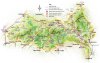 Map of the Brecon Beacons National Park, showing the locations of the various mountains and ranges.
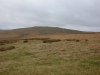 Cadair Fawr (485 metres), the least boring part of a very boring route across the southeast of Fforest Fawr.
 A red kite hovering over the banks of the Afon Hepste, near Ogof Fechan.
 A buzzard in the forest.
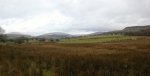 Most of the Fforest Fawr range from the south. Fan Nedd (663 metres), Fan Llia (632 metres), the edge of Fan Fawr (734 metres, tallest in the range), and the scar of Gwaun Cefnygarreg (457 metres). Invisible off to the left is Fan Gyhirych (725 metres).
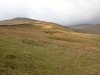 The northern ridge of Fan Nedd.
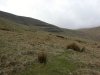 The scarp at the North of Fan Nedd. In the background is the scarp of Fan Gyhirych, mostly hidden by the cloud.
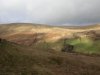 Yr Allt (604 metres).
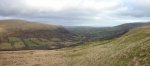 The Afon Senni, with Fan Bwlch Chwyth (603 metres) on the left, and the Craig Cwm-du valley beside Fan Frynych (629 metres) on the right.
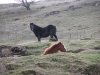 Mountain ponies climbing the stairs.
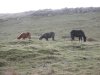 OMG!
OMG!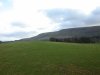 Fan Frynych.
 Craig Cerrig-gleisiad (629 metres). The face is exceptionally steep, and about 200 metres high. Since it faces north, it manages not to receive any sunlight, and manages to sustain rare arctic alpine plants, for which it is a small nature reserve.
 Craig Cerrig-gleisiad.
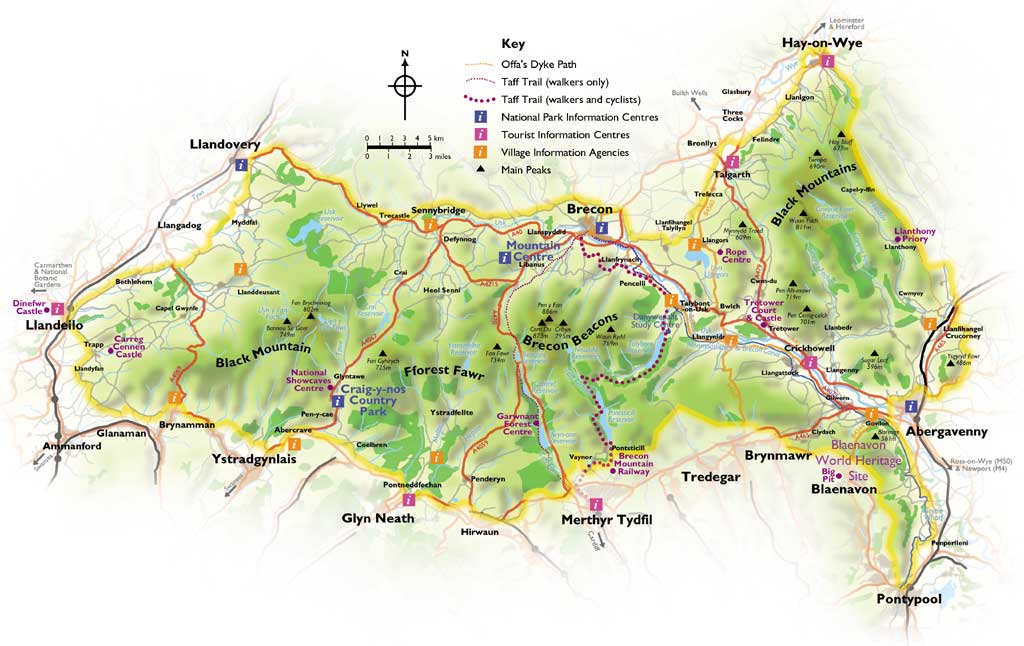 Map of the Brecon Beacons National Park, showing the locations of the various mountains and ranges.
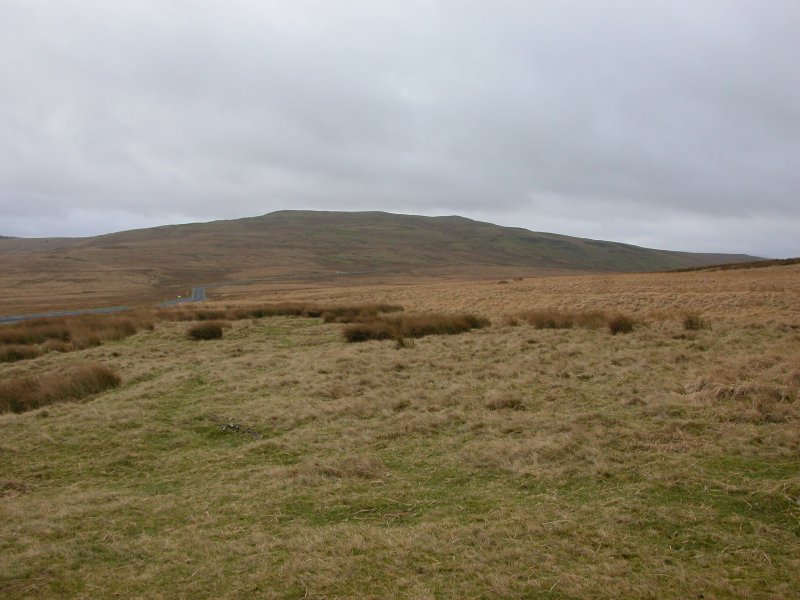 Cadair Fawr (485 metres), the least boring part of a very boring route across the southeast of Fforest Fawr.
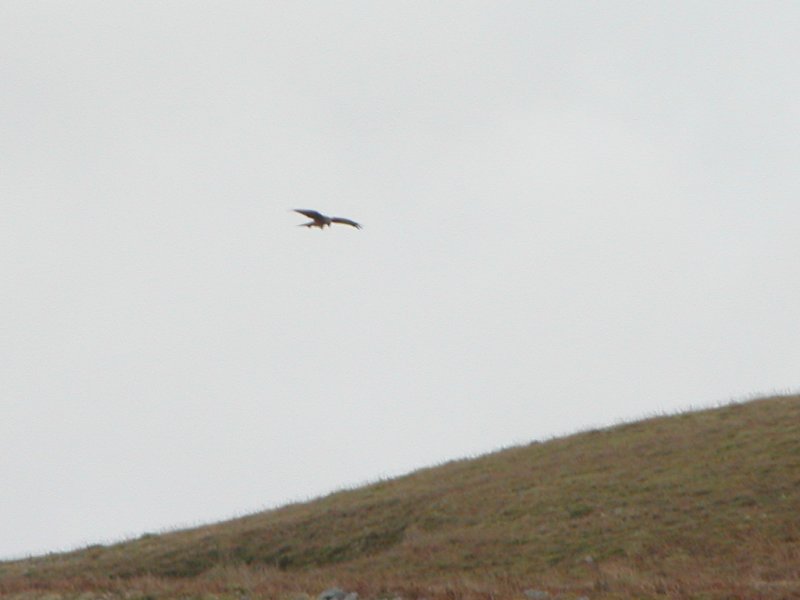 A red kite hovering over the banks of the Afon Hepste, near Ogof Fechan.
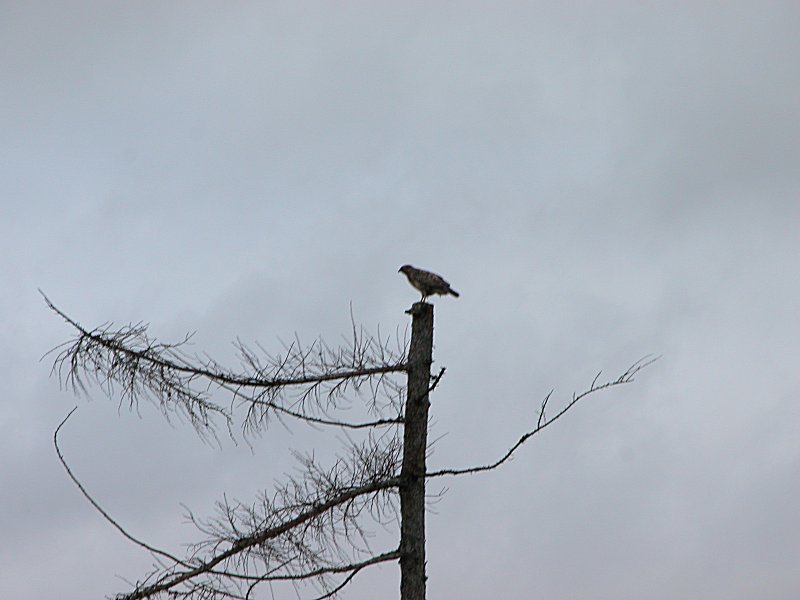 A buzzard in the forest.
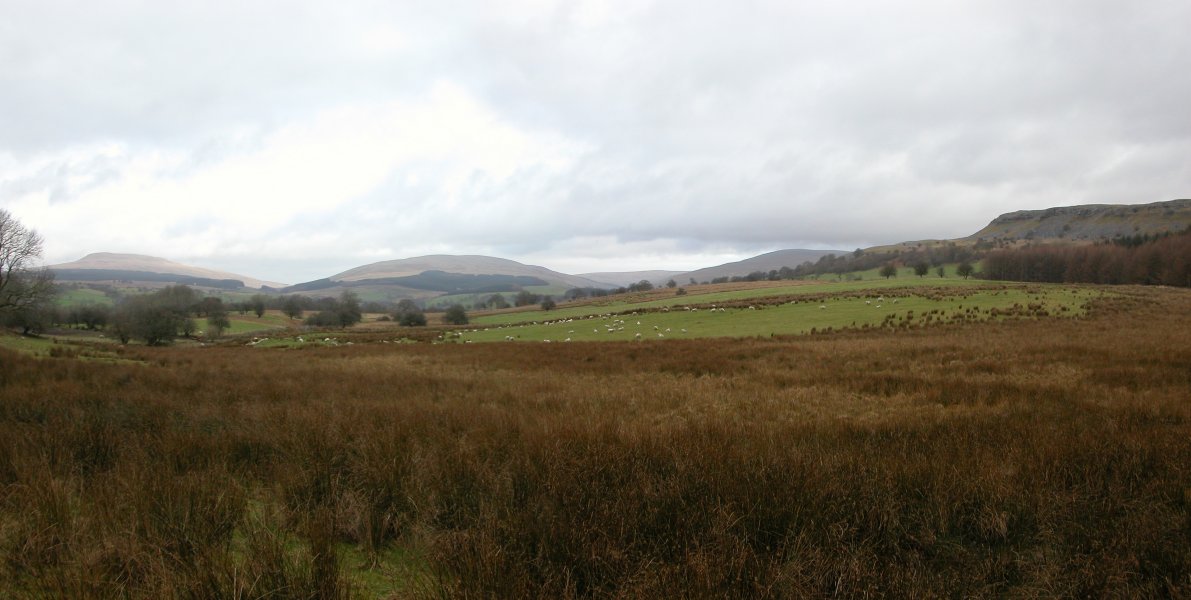 Most of the Fforest Fawr range from the south. Fan Nedd (663 metres), Fan Llia (632 metres), the edge of Fan Fawr (734 metres, tallest in the range), and the scar of Gwaun Cefnygarreg (457 metres). Invisible off to the left is Fan Gyhirych (725 metres).
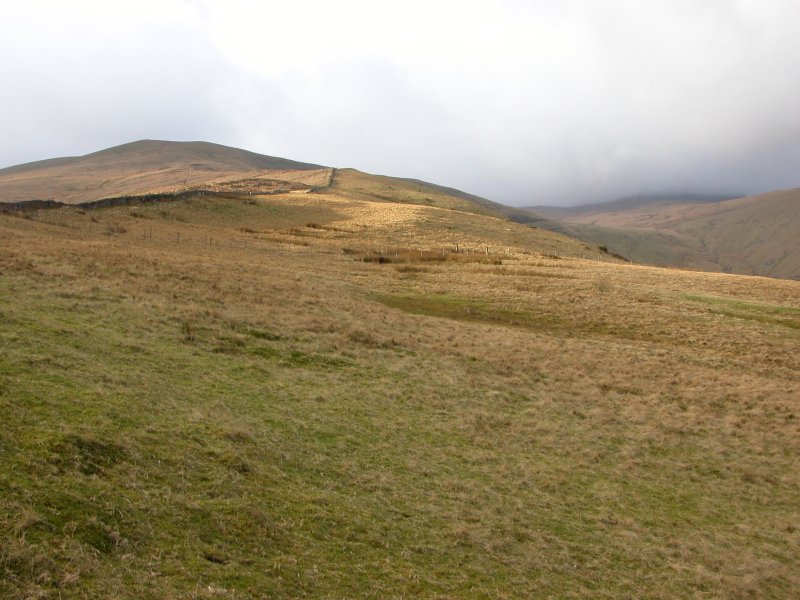 The northern ridge of Fan Nedd.
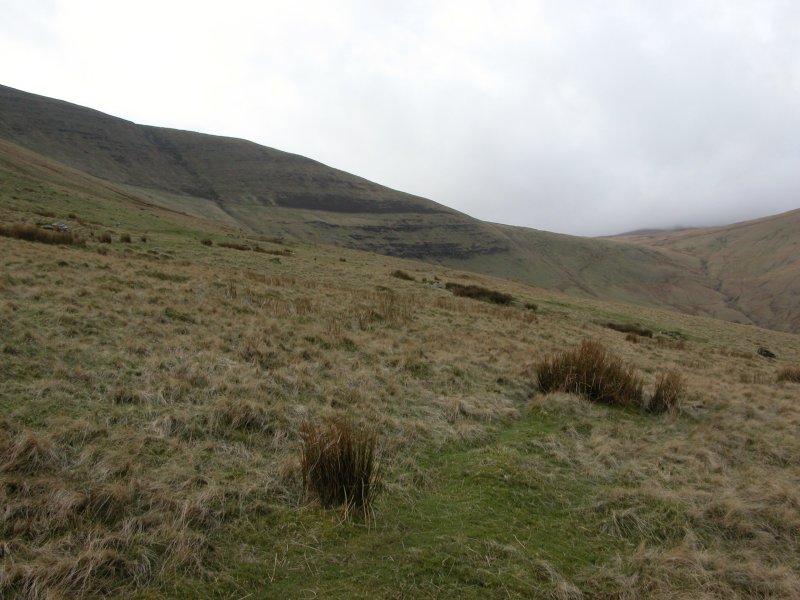 The scarp at the North of Fan Nedd. In the background is the scarp of Fan Gyhirych, mostly hidden by the cloud.
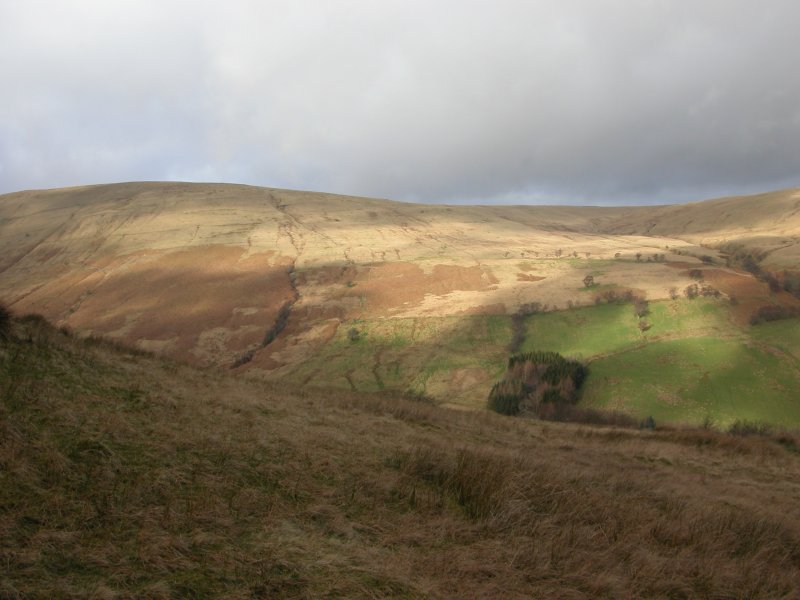 Yr Allt (604 metres).
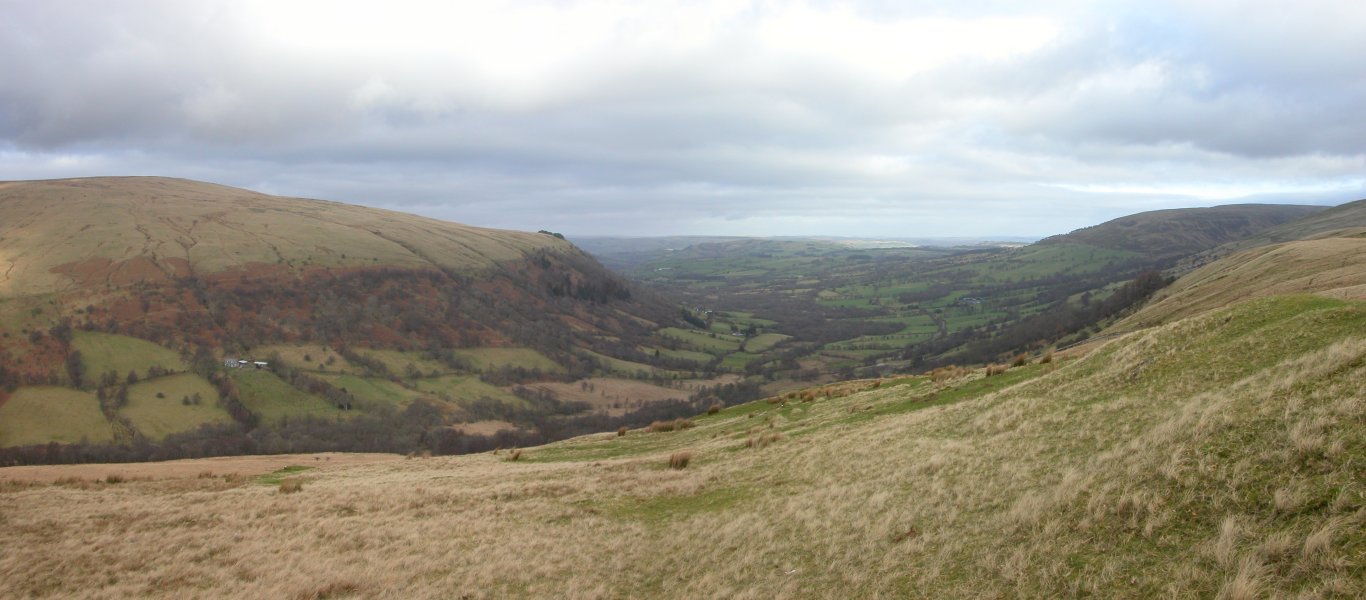 The Afon Senni, with Fan Bwlch Chwyth (603 metres) on the left, and the Craig Cwm-du valley beside Fan Frynych (629 metres) on the right.
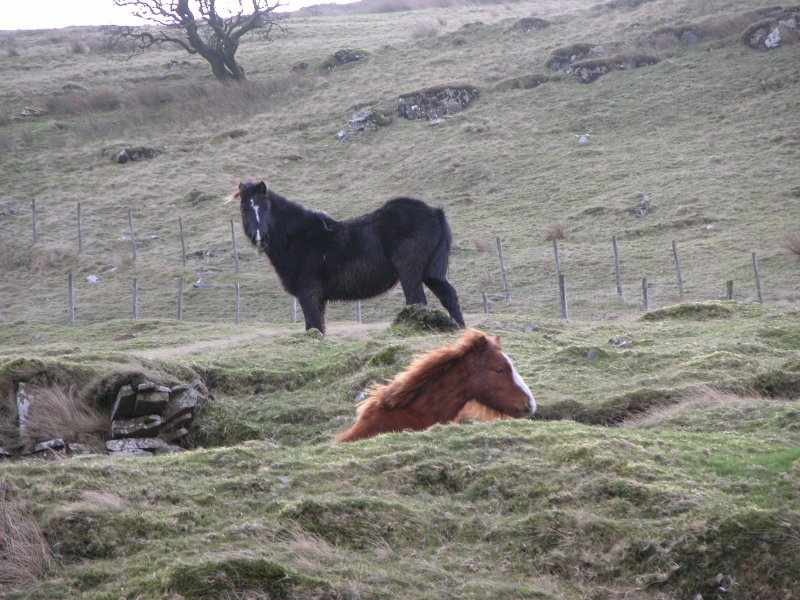 Mountain ponies climbing the stairs.
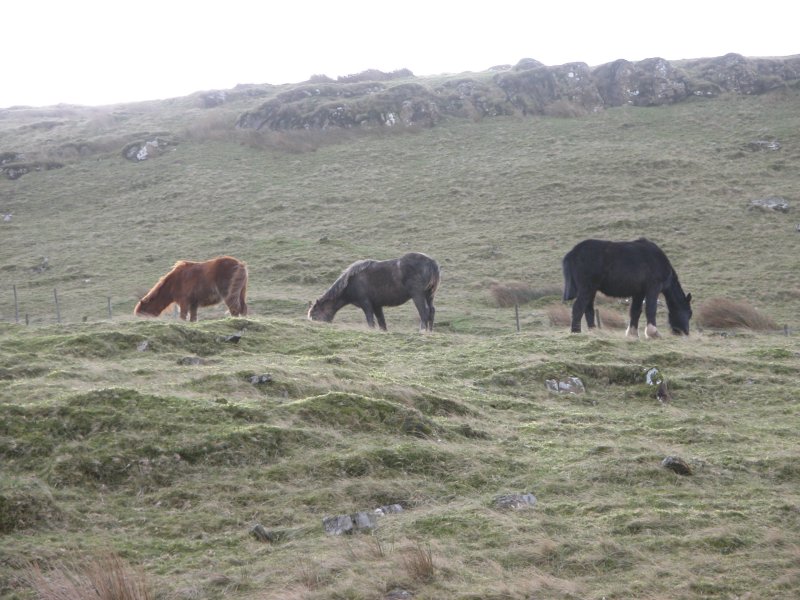 OMG!
OMG!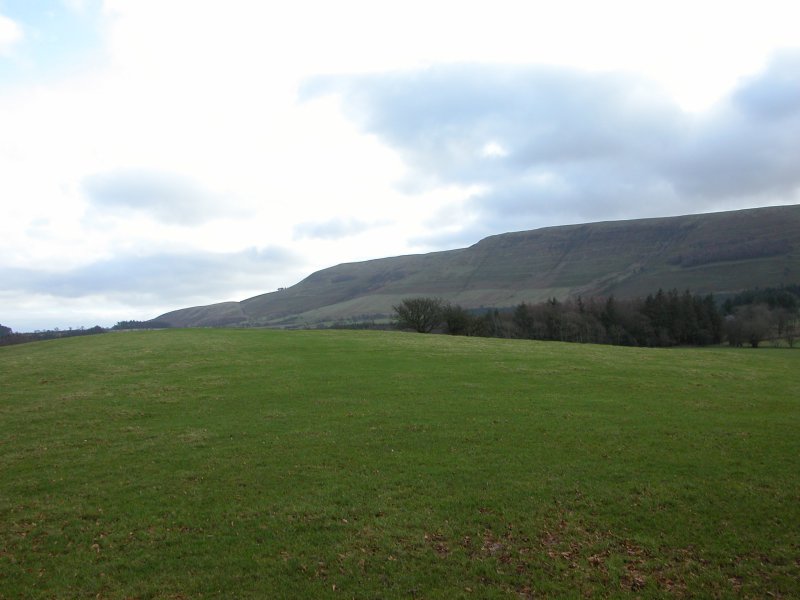 Fan Frynych.
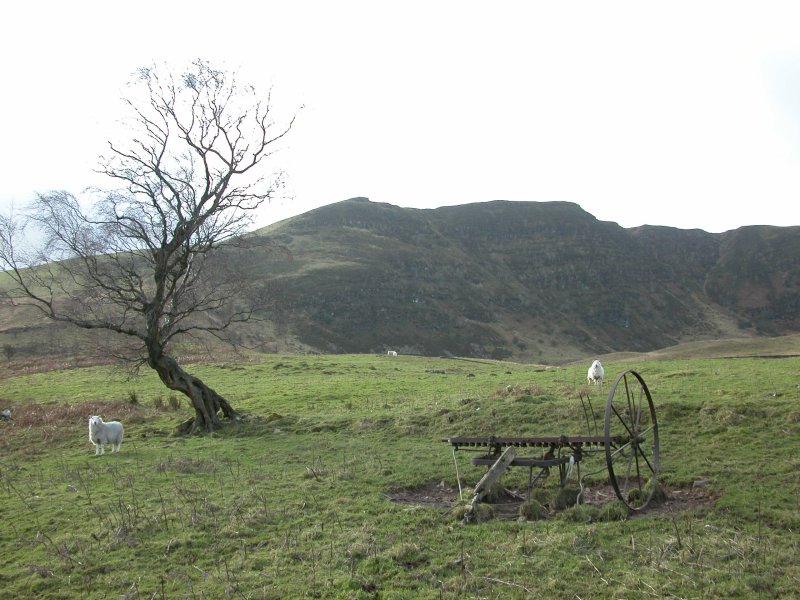 Craig Cerrig-gleisiad (629 metres). The face is exceptionally steep, and about 200 metres high. Since it faces north, it manages not to receive any sunlight, and manages to sustain rare arctic alpine plants, for which it is a small nature reserve.
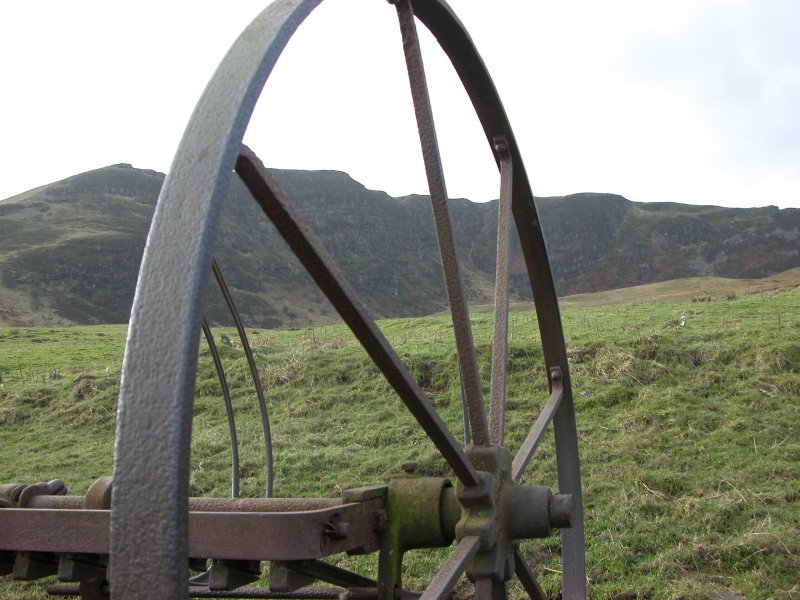 Craig Cerrig-gleisiad.